


Our democracy works best when everyone is included. Yet for many Tennesseans with past felony convictions, restoring their freedom to vote has long been a complicated and often inaccessible process. A combination of legal requirements and administrative hurdles make it difficult — if not impossible — for individuals with previous felony convictions to navigate the system and fully participate in elections.
For those directly impacted, these barriers are not theoretical; they determine whether someone can have a voice in their community.
At Free Hearts, an organization that Campaign Legal Center coordinates closely with through its Restore Your Vote program, formerly incarcerated women have been working to change that reality. After navigating Tennessee’s voter restoration process themselves, several women with the organization have successfully restored their voting rights.
But they didn’t stop there. They organized, advocated, filed petitions and helped push for changes to the very system they had to navigate.
During the 2026 legislative session, Tennessee lawmakers passed updates to its voting rights restoration law that removed the requirement that individuals pay all outstanding court costs for them to be eligible to restore their voting rights. These are changes Free Hearts had been pushing elected officials to pass since 2019.
This eliminated a significant financial barrier that had prevented many from accessing the ballot. Tennessee is among only a handful of states that explicitly ties the freedom to vote to payment of legal financial debts — a modern-day “poll tax” that allows certain people convicted of crimes who have the means to essentially “buy back” the right to vote, but can leave people who can’t afford to pay disenfranchised.
The law also revised the state’s requirement that a person be current on child support to restore their right to vote, allowing individuals with owed or overdue child support payments to become eligible if they have remained compliant with payment obligations for a 12-month period. Discouragingly, Tennessee is the only state in the country that ties the freedom to vote to child support payments.
While these changes represent meaningful progress to expand access to the ballot for many Tennesseans with previous felony convictions, there’s still much work to be done.
Even with the recent improvements to Tennessee’s voting rights restoration law, access to the ballot does not happen automatically. The restoration process still requires individuals to petition a court, gather documentation and navigate a system that can be difficult to understand without support.
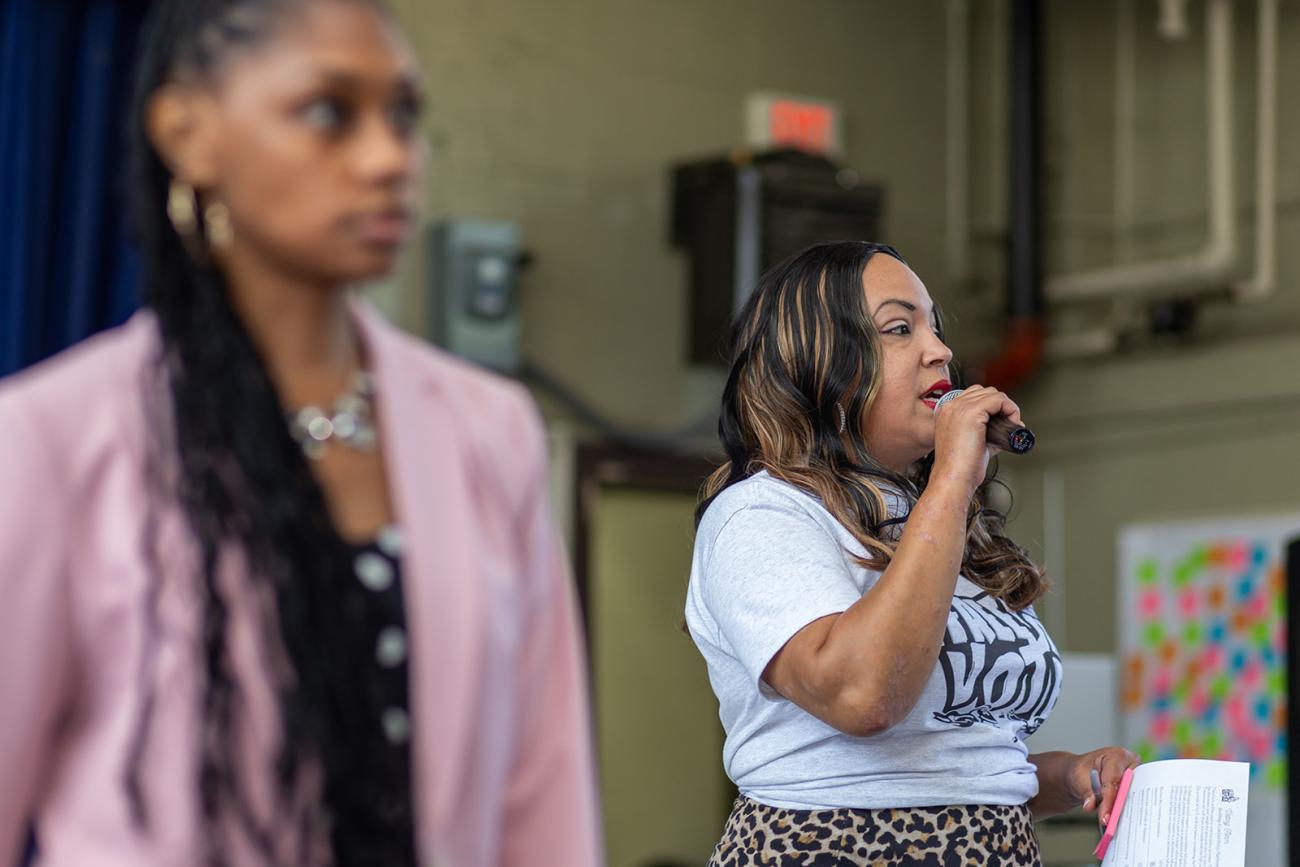
As a Restore Your Vote partner of the Campaign Legal Center, Free Hearts is part of a broader effort to expand access to voting rights restoration across the country. Their role has been especially significant in Tennessee, both in advancing policy change and in ensuring that those changes reach the people they are intended to serve. Directly impacted women with Free Hearts are providing education, outreach and hands-on support to help individuals determine eligibility, complete the petition process and successfully restore their rights.
This work ensures that recent policy changes translate into real-world access. Campaign Legal Center’s Restore Your Vote program supports these efforts by partnering with community-based organizations like Free Hearts, advancing policies that reduce barriers, and investing in the leadership that makes those policies meaningful in practice.
Tennessee’s restoration system continues to present challenges, and further reforms are needed to make access more straightforward and equitable. The leadership of directly impacted people — who fought for these changes and are now helping others benefit from them — demonstrates what is possible when policy reform and community leadership move together.
As a result of these combined efforts, more Tennesseans are not only restoring their voting rights, but they are gaining a clearer path back to civic participation.
Campaign Legal Center is working with partners across the country to abolish felony disenfranchisement. Join us today.